
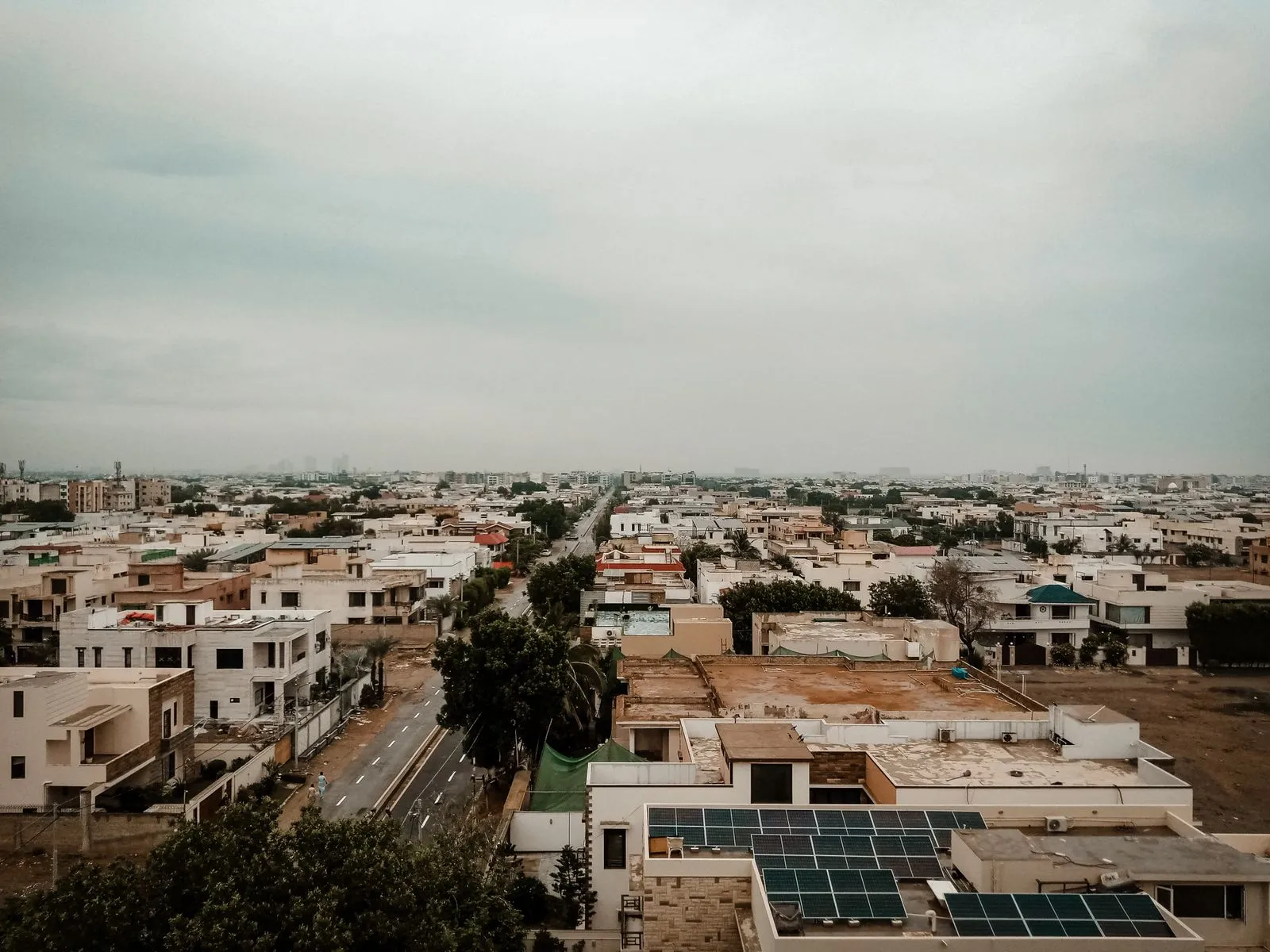
Choosing between ground-mounted and rooftop solar starts with the property, not just the panels. A roof may offer a ready-made mounting surface, while a ground array can provide more control over placement and orientation. Each option also brings different space, access, and construction needs. In Flagstaff, property layout, roof condition, shading, and local site conditions all matter. Compare these factors early, then ask an installer to evaluate both options when your property can support either.
Space and Property Layout
Rooftop solar uses existing space, so it may suit properties with limited yard area. The usable roof area depends on its size, shape, pitch, orientation, and obstructions such as chimneys or vents. Keep in mind that the entire roof is not necessarily available for panels; access paths and required setbacks can reduce the installable area.
A ground-mounted system needs open land with enough room for the array and any required clearances. Consider how panels may affect gardens, play areas, driveways, views, and future additions. Ask the installer to identify the full space needed, including equipment and access, rather than estimating from the panel footprint alone.
Placement and Sun Exposure
Roof-mounted panels must work with the roof’s existing orientation and slope. An installer can assess shade from trees, nearby buildings, and roof features, then determine whether the available roof sections are suitable. If only part of the roof has favorable conditions, the system design may need to account for that limitation.
Ground-mounted panels offer more freedom to select an array location and adjust its orientation and tilt. That flexibility can help avoid some obstructions or make use of a sunnier part of the property. It does not guarantee better performance: the installer still needs to assess shading throughout the day, soil and drainage conditions, and practical access to the site.
Site Work and Access
A rooftop installation generally avoids preparing a separate area of land, but the roof must be suitable for the mounting system and installation work. Discuss its age, condition, structure, and any planned repairs. If roof work is due soon, compare the timing and coordination of repairs with the solar installation before committing.
Ground-mounted systems can require excavation, foundations or supports, trenching for electrical connections, and changes to grading or vegetation. The amount of work depends on the site and system design. Ask what preparation is expected, how equipment will reach the location, and whether drainage, buried utilities, or difficult ground conditions could affect the project.
Questions Before Choosing
Ask the installer to compare feasible layouts for both system types, if both are possible. Request an explanation of usable roof or land area, expected shading, equipment placement, and any property constraints. Confirm what site inspections are needed and which assumptions could change after a closer assessment.
Discuss maintenance access, construction disruption, future roof work, and how each option fits your plans for the property. Also ask what permits or approvals may apply and who will confirm them. A clear comparison should describe the work involved and the tradeoffs, not just recommend one mounting type.
The right system depends on usable space, sun exposure, roof condition, site work, and how you plan to use the property. Compare both options against those factors before selecting a design. A qualified local installer can assess your site and explain which approach is practical; contact Cinder Peak Solar to discuss an evaluation.