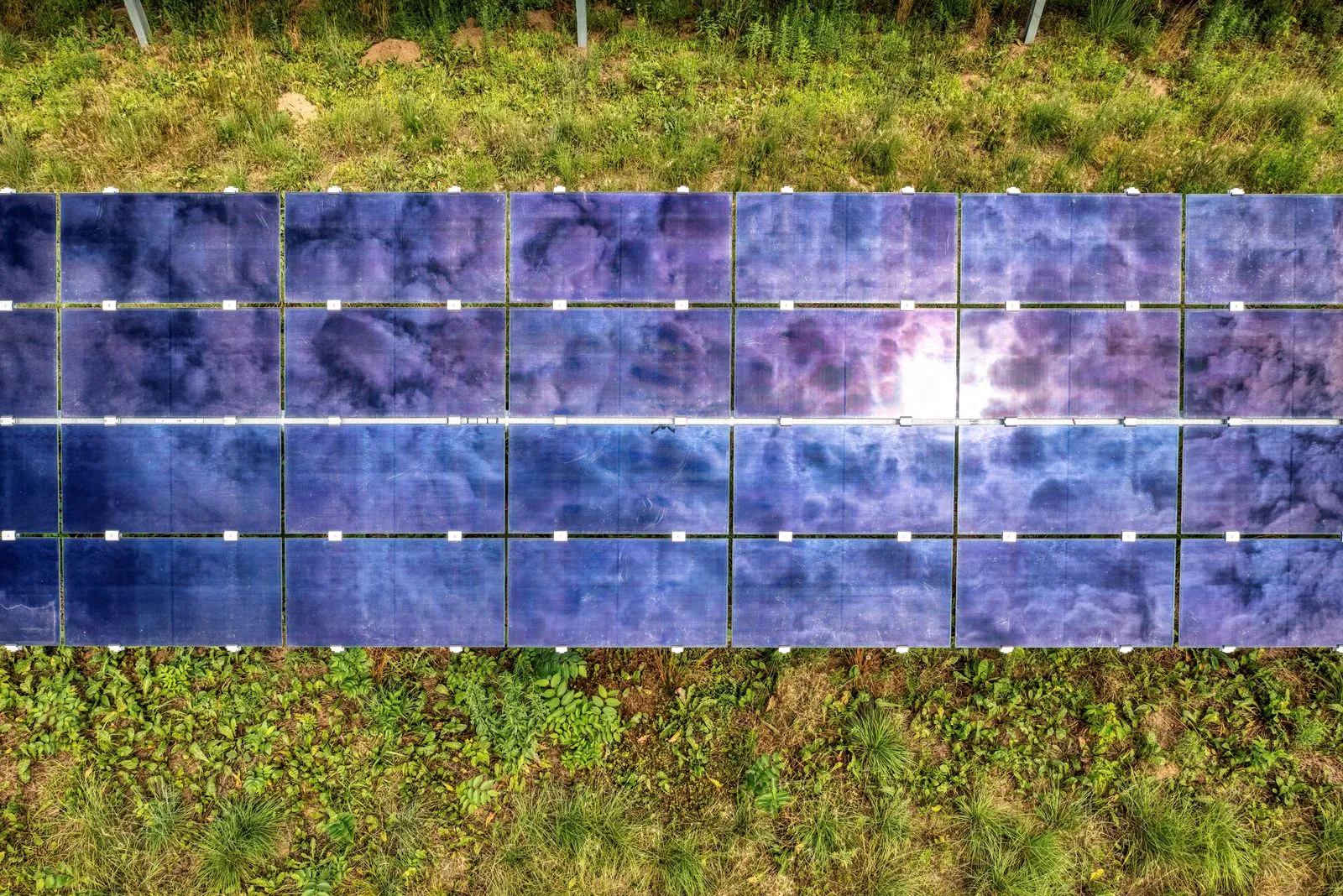
A ground-mounted solar array can work well when a property has usable land and a clear path to sunlight, but acreage alone does not determine fit. In Flagstaff, terrain, seasonal shade, winter conditions, and access for installation all matter. A careful site review helps identify a practical location before system design begins. Use these checks to understand what may support a project, what could complicate it, and which questions to ask an installer.
Measure Usable Land
Start by distinguishing total property size from the area that could actually hold an array. Setbacks, driveways, septic systems, wells, utility lines, drainage paths, and planned outbuildings may limit placement. Keep space for maintenance and avoid locating panels where they could interfere with everyday use of the land.
The required footprint depends on the system’s planned capacity, panel layout, and mounting design. An installer can estimate the needed area after reviewing energy use and site conditions. Marking possible locations on a property map, along with known underground utilities and easements, gives that review a useful starting point.
Check Slope and Ground
A relatively level area can simplify layout and construction, but a gentle slope does not automatically rule out ground-mounted solar. The direction and steepness of the slope affect how the array can be positioned, how much grading might be needed, and whether rows could shade one another.
Ground conditions matter as much as the surface appearance. Rocky soil, shallow bedrock, loose fill, or drainage problems can affect foundation choices and installation work. Ask the installer how the proposed mounting system will be anchored and whether soil review, grading, or drainage adjustments may be needed.
Evaluate Sun and Shade
Look for shade throughout the day and across seasons, not just during a single visit. Trees, hills, buildings, and other obstructions can reduce direct sunlight or cast longer shadows when the sun sits lower in winter. Consider whether nearby trees may grow or whether future construction could block the site.
A site assessment can compare candidate locations and identify a layout that receives useful sunlight while limiting avoidable shade. In Flagstaff, winter sun angles and snow conditions deserve attention during planning. Ask how the design accounts for seasonal shading and whether vegetation management would be needed over time.
Plan Access and Local Constraints
Installation crews and equipment need a workable route from the road to the array location. Check gates, turning space, narrow driveways, soft ground, and obstacles that could restrict delivery or construction. Also consider how you will reach the system later for inspection, cleaning, or repairs without crossing sensitive areas.
Confirm applicable zoning, permitting, setback, and utility-interconnection requirements before settling on a location. Local rules and site-specific restrictions can shape array placement. Flagstaff-area properties may also face snow accumulation, wind exposure, wildfire considerations, or drainage concerns, so ask the installer to evaluate those conditions for your particular parcel.
A property is a stronger candidate when it offers a usable area, manageable terrain, dependable sun, and practical access, while meeting local requirements. No single checklist replaces an on-site assessment. Gather a property map, note likely obstructions and constraints, and ask Cinder Peak Solar to review the location and explain the next planning steps.